
Winning Formulas, the Harrison comparison, Residential Momentum
The Platinum Mile has long been one of Westchester County’s most visible and challenging regions. The Great Recession in 2008 accelerated these challenges.
Communities along this corridor, including the City of White Plains, faced rising vacancies, declining revenues, and an overreliance on a single commercial tax base, leaving them vulnerable to market fluctuations.
The nearby Town of Harrison offers a direct model for what proactive planning can achieve. In 2013, Harrison enacted a comprehensive plan that addressed its own Platinum Mile office corridor head-on. The results were measurable:
Moody’s upgraded Harrison’s bond rating to Aaa in December 2016—its highest possible rating—explicitly crediting the “ongoing conversion of vacant office space into residential-centric development projects” and a resulting 8.1% rebound in assessed values. 1 The fiscal outlook shifted to positive with stable growth.
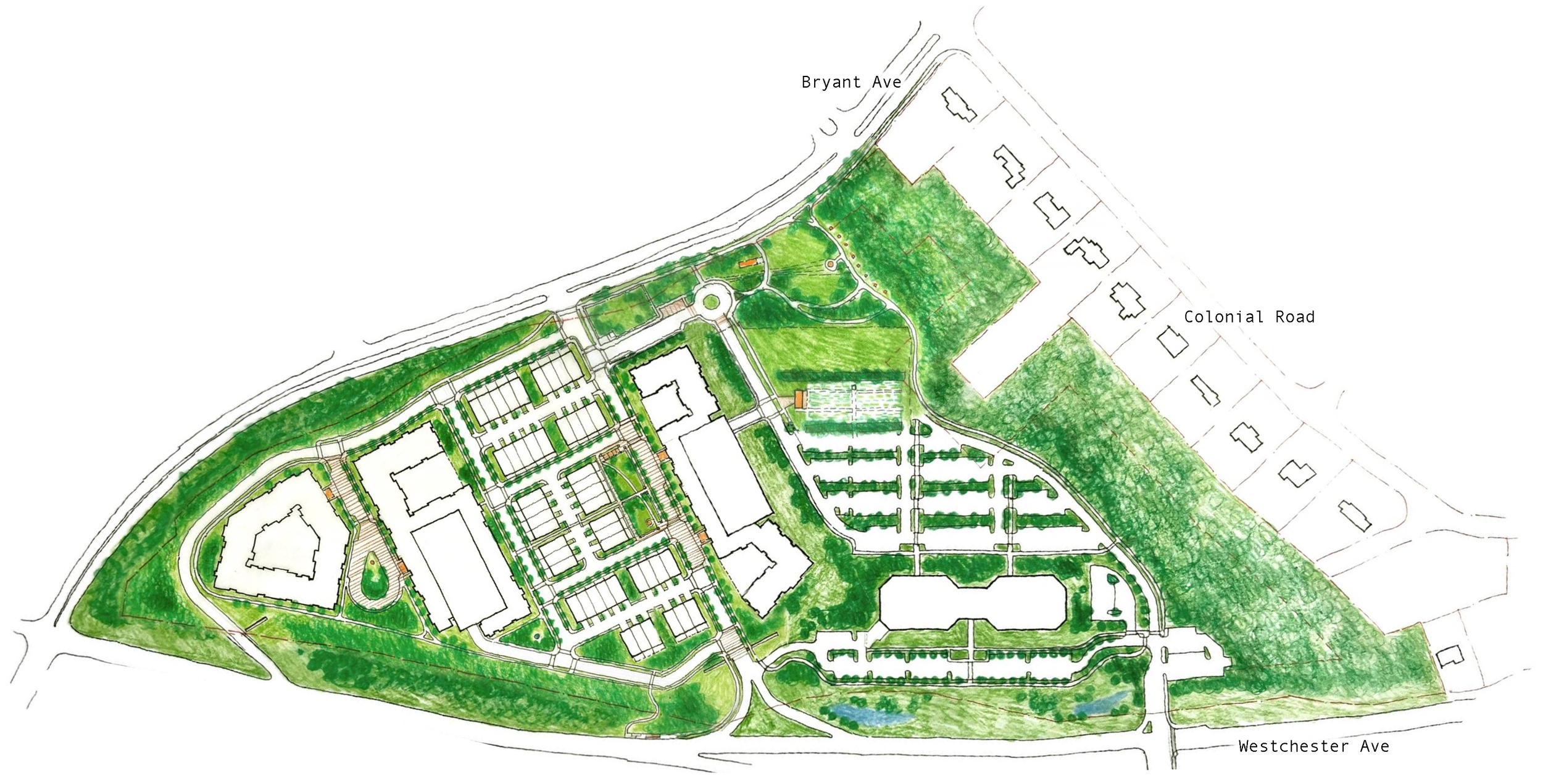
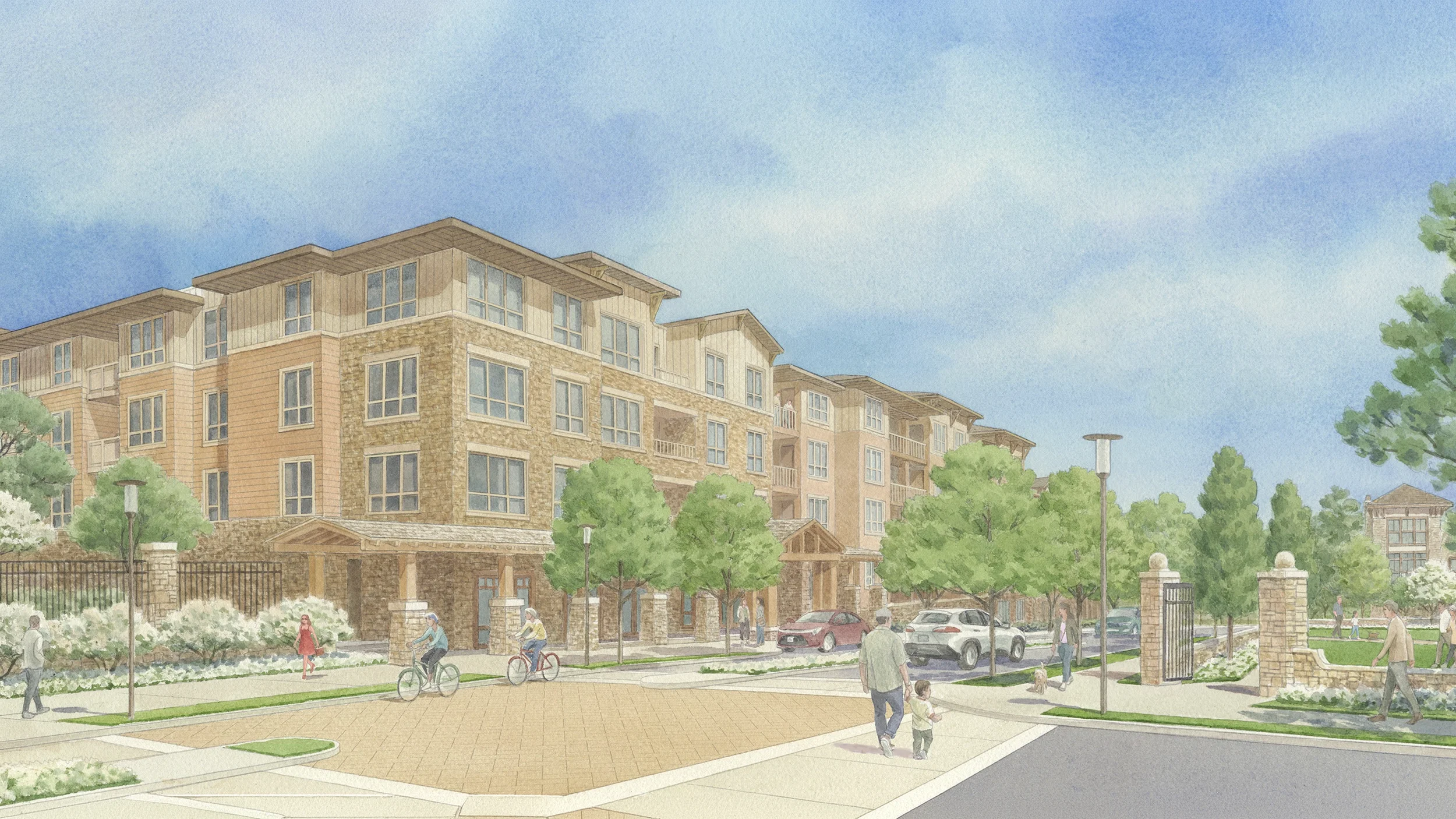
Over the past decade, this portion of the Platinum Mile has begun its transformation—from disconnected office parks into a connected, amenity-rich community anchored by retail, recreation, healthcare, and housing. White Plains’ opportunity is to complete that transformation on its own terms, before market conditions force a less favorable outcome.
















Residential Momentum
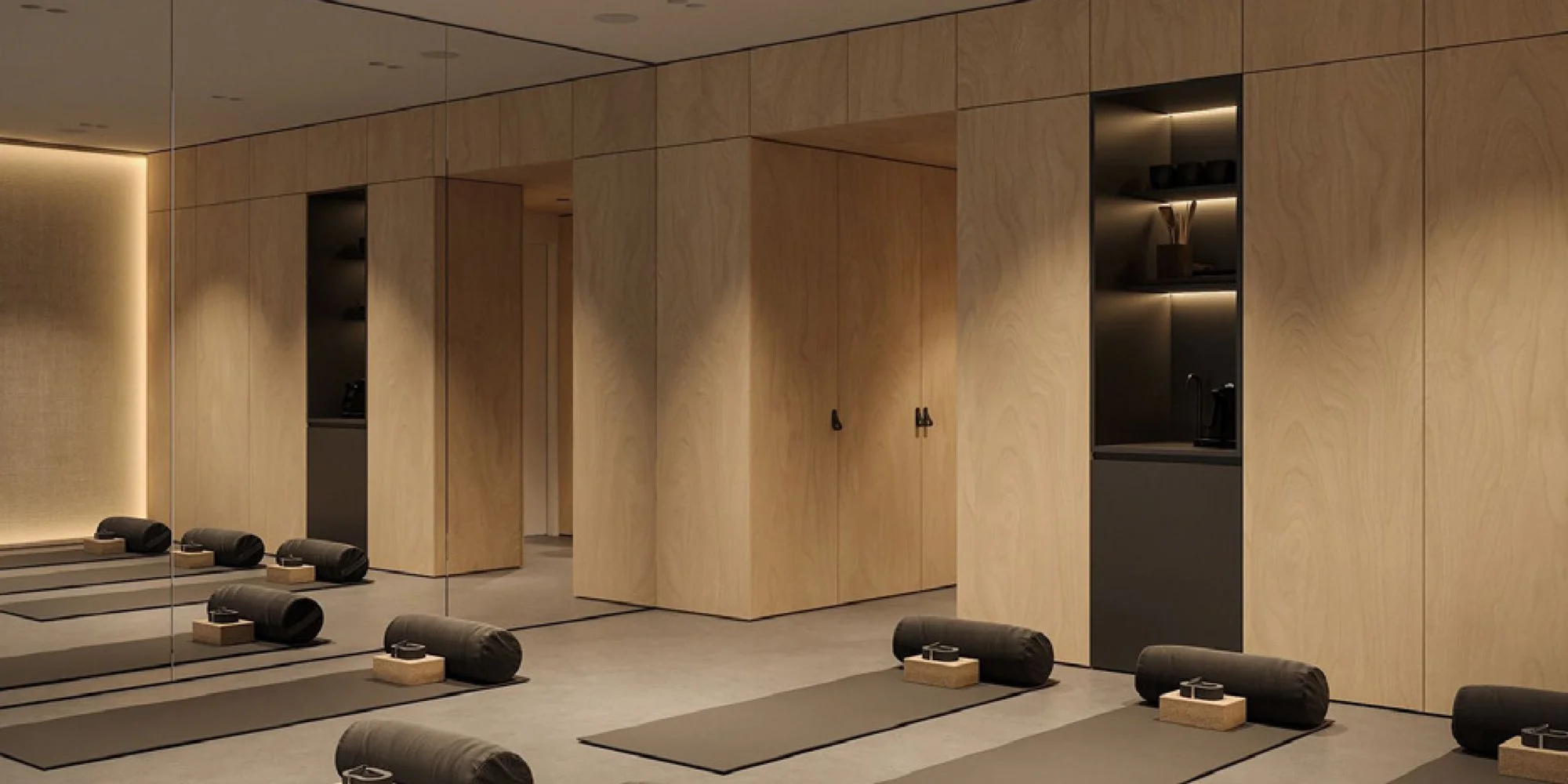
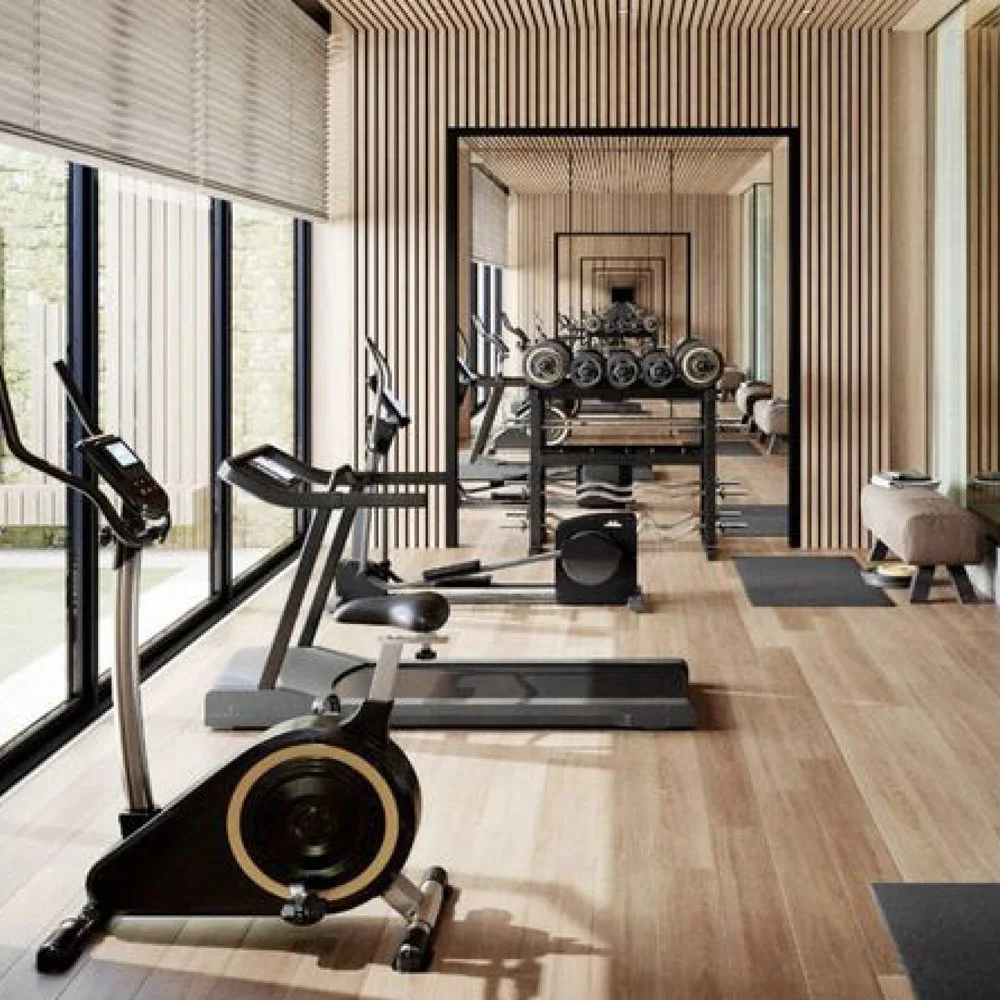
Recent residential investment has injected new life into the Platinum Mile, converting demolished office buildings into high-end apartment residences that meet strong and growing demand for luxury, amenity-rich living in a walkable setting.
White Plains faces a documented housing shortage — and the Westchester Avenue corridor is exactly where new supply belongs. The One White Plains Comprehensive Plan is clear in its support for new housing along the Westchester Avenue corridor — as well as other parts of the city.
-
The location makes sense
This site sits minutes from MasterCard’s global headquarters, major office parks, and the White Plains downtown core — supporting the jobs-housing balance the region urgently needs. White Plains has approximately 1.9 jobs for every working resident — an imbalance against the sustainable 1.0–1.5 range.
-
The demand is real
A 2025 Regional Plan Association study found Westchester County faces a housing shortfall of approximately 21,000 units — projected to grow to between 44,000 and 77,000 units by 2040. RCLCO projects demand for 1,298 new rental apartments per year countywide. Competitive nearby properties average 94% occupancy, and active adult housing is essentially unavailable in this market. Westchester issued just 13 building permits per 1,000 residents between 2010 and 2020—compared to 28 in Orange County, New York and 65 in Hudson County, New Jersey, respectively.
-
The window is closing
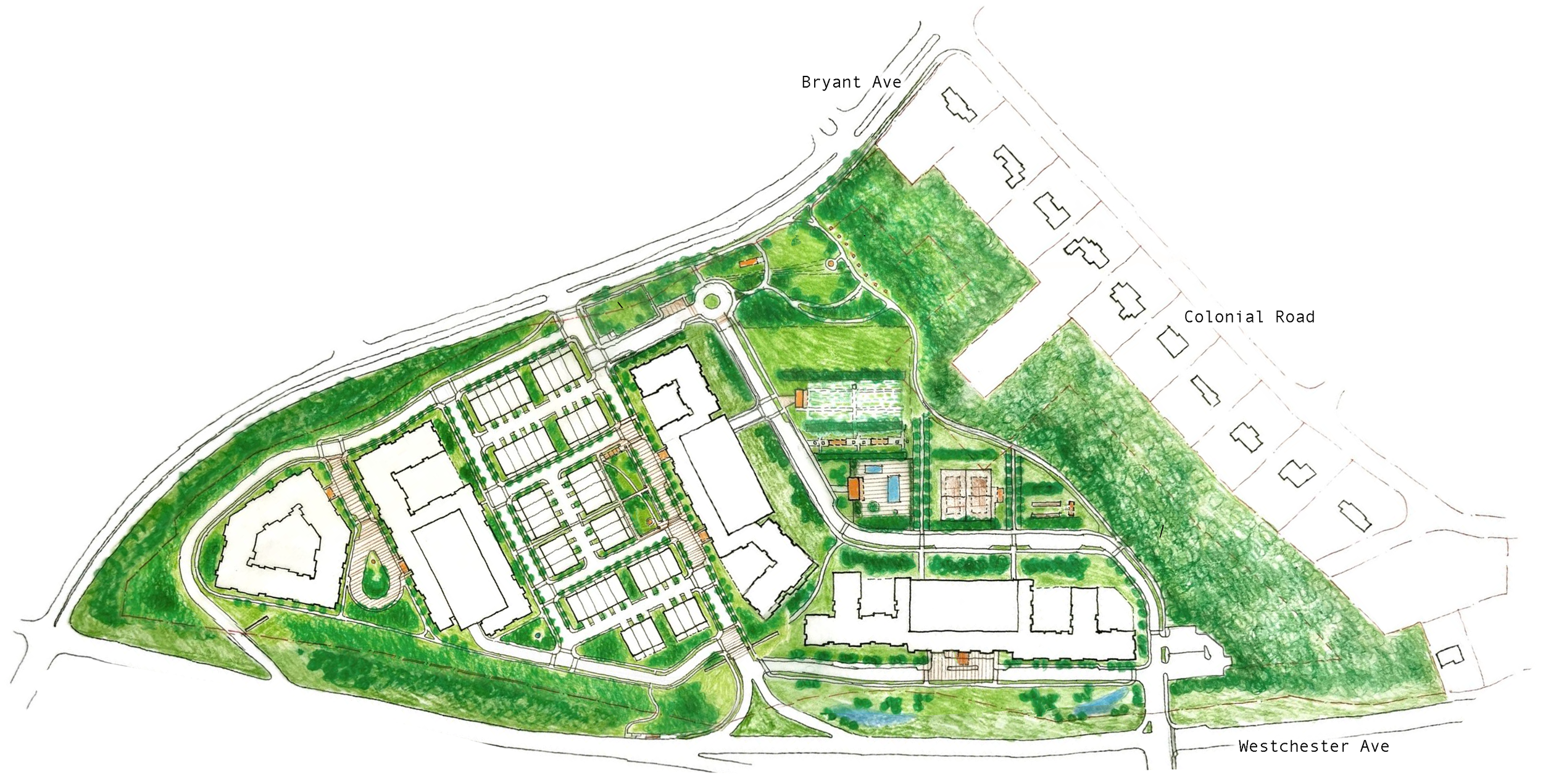
With the Platinum Mile’s prior residential conversions now delivered and absorbed, the 701–777 Westchester Avenue campus is the most impactful redevelopment opportunity on the corridor — and at 55 acres with 713 residences, the most transformative. No single-building conversion on the Platinum Mile can match its scale.
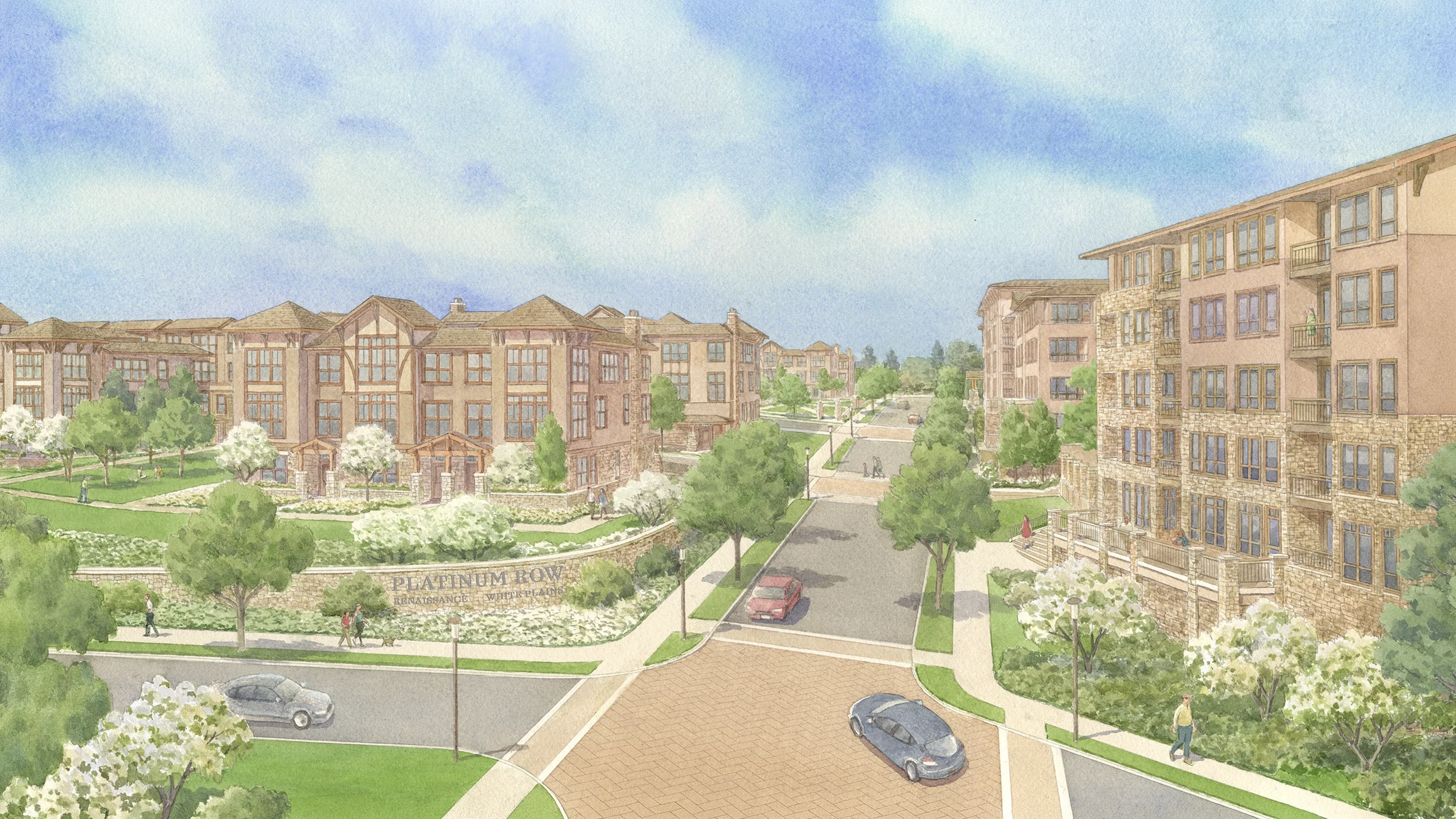
In addition to the nearby Carraway and Alexan communities in Harrison, The Halden in White Plains stands out as a luxury apartment community distinguished by exceptional design, resort-style amenities, and immediate proximity to the Hospital for Special Surgery. This type of development—turning vacant offices into thriving communities—is achievable through appropriate proactive smart growth. Platinum Row | Renaissance White Plains is the next chapter.
Land use benefits and alignment with city policy
The Platinum Row | Renaissance White Plains community at 701–777 Westchester Avenue represents a pivotal opportunity to complete the Platinum Mile’s revitalization in White Plains. This is not a speculative proposal—it preserves and executes the vision the City has already embraced.
Platinum Row will have minimal impact on school-age enrollment:
The housing mix—oriented toward empty-nesters, seniors, and downsizing households— generates significantly fewer school-age children than traditional single-family development.
Building A (152 residences) is age-restricted to adults 55+; no school-age children by definition.
Independent analysis of a comparable nearby community projected over $3 million in annual tax revenue to the school district—a net surplus of approximately $1.2 million annually even after additional students, amid declining enrollment trends.
Neighbors benefit too:
A $1.5M home in adjacent Old Oak Ridge is projected to appreciate 5.5%/yr next to Platinum Row vs. 4.0%/yr next to a declining office park—compounding to roughly $340,000 more value over 10 years (FHFA repeat-sales index; MIT, Harvard, Temple).
Over the same period in which approximately 1,174 residences were delivered along the Platinum Mile, home values in Harrison appreciated 45.4% from 2020 to 2025, against 41.8% in Westchester County and 40.5% in White Plains.
The alternative carries a cost: blight imposes a documented penalty of up to $97,500 on a $1.5M home—rising to $300,000 where excessive vacancy concentrates.
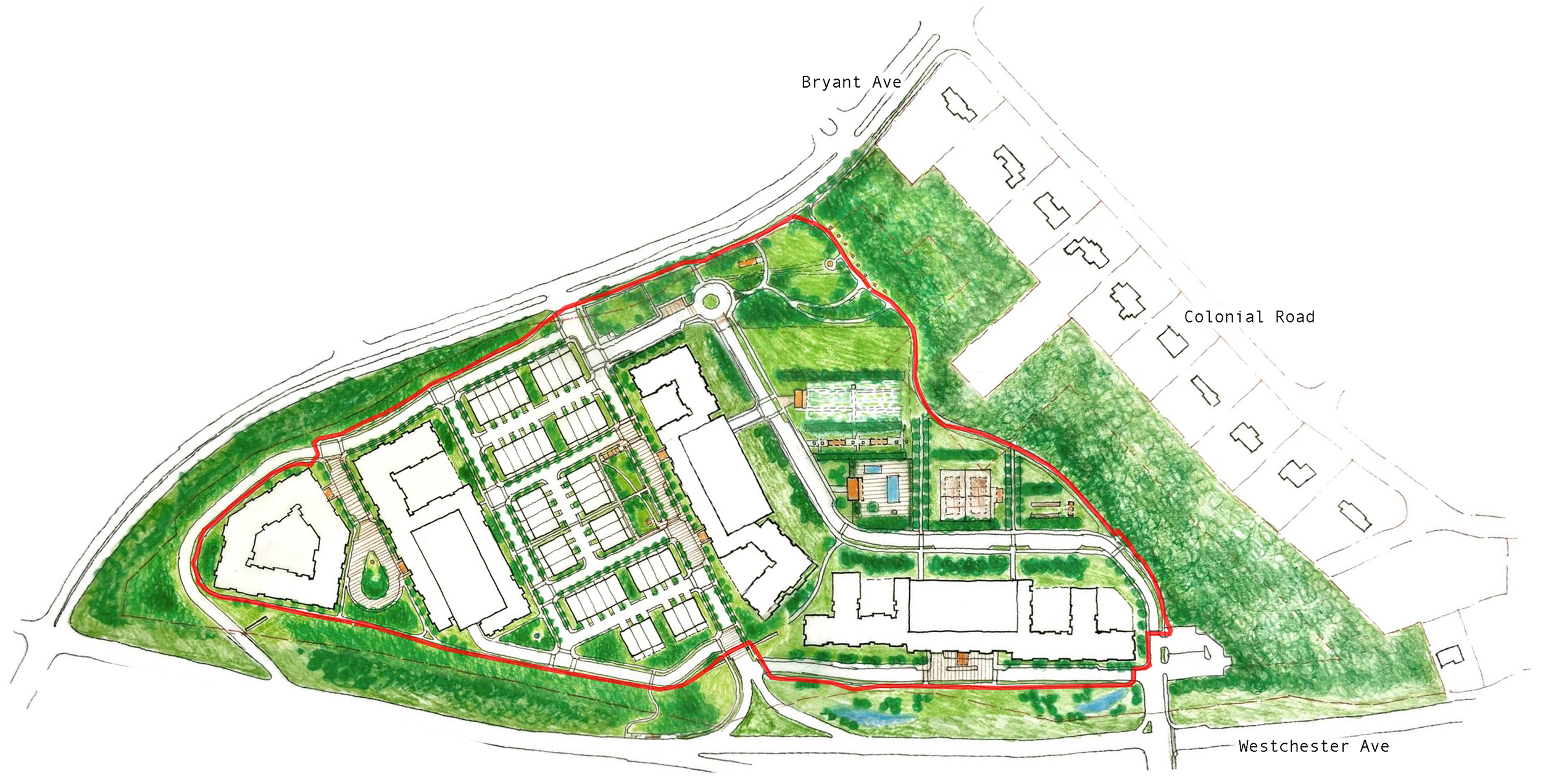
2± acres of publicly accessible open space, a 1 mile± publicly accessible trail, pedestrian paths, new internal roadways and a 300-foot buffer along the western edge integrate the site, enhancing access and insulating neighboring homes. Platinum Row is projected to generate approximately 64% fewer peak-hour vehicle trips than the existing office campus at full occupancy - 476 fewer in the morning peak hour and 445 fewer in the evening - with a daily reduction on the order of 30%.
The 300-foot woodland buffer along the western edge is fully preserved - protecting the mature habitat that screens Colonial Road residences year-round. The tree preservation and planting plan is designed to meet or exceed the City of White Plains' reforestation and tree protection requirements, with new plantings adding to the canopy preserved on a site today dominated by surface parking and impervious cover. Sizable canopy trees anchor the Lincoln Avenue village green, tree-lined residential streets, and the Bryant Avenue publicly accessible open space.
Platinum Row aligns directly with White Plains’ One White Plains Comprehensive Plan, which builds on zoning reforms from 2016 to 2024 to address the Westchester Avenue corridor explicitly: permit residential uses in the Campus Office district; incentivize office-to-residential conversions along Westchester Avenue; and create affordable housing through density bonuses and adaptive reuse.
Platinum Row | Renaissance White Plains delivers on all three.
One White Plains alignment
The City does not need a new direction for the Platinum Mile. It needs an owner-builder willing to execute the one it has already chosen - carefully, collaboratively, and now. The alternative is not neutral. Continued vacancy, declining value, and the slow march toward blight is what happens in the absence of a plan.
The Platinum Mile's first chapter was written with vision, foresight, and political will. Platinum Row is the next one.